A Comprehensive Overview to the Numerous Sorts Of Oil Field Equipment and Pipeline Equipment Available
The oil and gas sector relies heavily on specific devices for reliable extraction and transportation. Numerous sorts of equipment, from piercing rigs to tank, play important duties in this complex procedure. Each tool offers unique functions that add to overall functional success. Recognizing these elements is crucial for anyone associated with the industry. As the market progresses, so also do the innovations that sustain it. What improvements are on the horizon?
Drilling Rigs: The Backbone of Oil Expedition
Drilling rigs serve as the crucial equipment in the domain of oil exploration, making it possible for business to access hydrocarbon gets hidden deep beneath the Earth's surface. These rigs can be found in different types, consisting of land rigs, offshore rigs, and mobile systems, each designed to run in certain settings. Outfitted with innovative technology, piercing rigs can penetrate geological developments with precision, making sure efficient source removal. The structural integrity and functional abilities of these rigs are critical, as they need to withstand extreme conditions and substantial pressures. The selection of a boring gear impacts the general job cost and timeline, making it an essential consideration for oil business looking for to maximize their exploration efforts and make best use of performance in their procedures.
Pumps: Important for Fluid Motion
In the oil removal process, the function of pumps is substantial, assisting in the motion of fluids throughout different phases of manufacturing. Pumps are important for carrying petroleum, water, and other fluids from underground tanks to the surface and after that with pipes to refineries. They can be found in various kinds, including centrifugal, favorable variation, and completely submersible pumps, each offering particular purposes based on the fluid attributes and operational demands. Centrifugal pumps are commonly made use of for their efficiency in high-flow applications, while positive variation pumps succeed in managing viscous liquids. The option of pump impacts total efficiency, operational security, and maintenance expenses. Appropriate choice and maintenance of pumps are essential for enhancing manufacturing and reducing downtime in oil area procedures.
Valves: Managing Flow and Pressure

Valves play a crucial role in taking care of the circulation and pressure of liquids within oil areas and pipelines. Numerous types of valves serve distinct applications, each created to accomplish particular features basic for reliable procedure - Superior Rentals reviews. Comprehending the qualities and uses these shutoffs is crucial for maximizing system performance and safety and security
Sorts of Valves
Essential components in oil field operations, shutoffs play an essential duty in managing the flow and pressure of liquids within pipelines and equipment. Various sorts of valves are used to meet the varied demands of oil and gas manufacturing. Typical types include gate valves, which provide a straight-line flow and very little pressure decline; globe valves, recognized for their strangling capabilities; and ball valves, acknowledged for their fast on/off control. In addition, check valves prevent heartburn, while butterfly shutoffs supply a lightweight remedy for regulating circulation. Each valve kind is made with specific materials and arrangements to hold up against the extreme conditions usually discovered in oil fields, ensuring reliability and effectiveness in procedures. Comprehending these types is vital for effective system management.
Valve Applications and Features
While different kinds of valves serve unique functions, their main applications revolve around managing circulation and pressure within oil and gas systems. Valves such as entrance, world, and sphere shutoffs manage liquid movement, guaranteeing peak performance and security. Entrance valves are commonly made use of for on/off control, providing very little flow resistance. World valves, on the various other hand, offer accurate flow guideline, making them appropriate for strangling applications. Round valves are favored for their quick operation and tight securing capacities. Additionally, stress safety valve are crucial for preventing system overpressure, guarding tools integrity. Overall, the ideal selection and application of shutoffs improve operational performance, making certain the dependable transport of oil and gas with pipelines and processing facilities.
Compressors: Enhancing Gas Transportation
Compressors play an essential function in the effective transportation of natural gas, ensuring that it moves efficiently through pipelines over lengthy ranges. These gadgets boost the pressure of natural gas, enabling it to overcome friction and elevation modifications within the pipeline system. Additionally, compressors promote the balancing of supply and need, suiting variations in usage and production prices. Various kinds of compressors are employed in the sector, including centrifugal, reciprocating, and rotating screw compressors, each offering distinct benefits based on the operational demands. Regular upkeep of these compressors is important to make the most of efficiency and decrease downtime, ultimately adding to a trusted gas transport network. Their critical feature emphasizes the value of compressors in the general oil and gas infrastructure.
Storage Tanks: Safe and Effective Liquid Administration
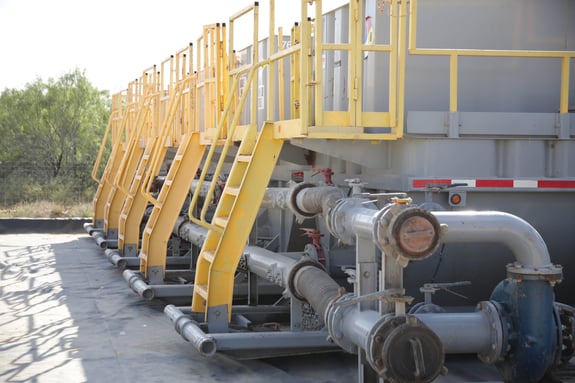
Reliable transportation of all-natural gas depends on various support group, one of which is the appropriate monitoring of tank. These containers play an important duty in safely containing liquids, making sure that operational efficiency is preserved while decreasing environmental threats. Created from resilient products, they are made to withstand high stress and corrosive elements. Appropriately sized and tactically situated, storage space tanks assist in the smooth flow of gas and other liquids, preventing traffic jams in supply chains. Regular upkeep and tracking are critical to detect leaks or architectural issues, advertising safety and conformity with regulatory standards. Eventually, the read this post here reliable monitoring of storage space tanks is critical for the general stability and dependability of the oil and gas sector's liquid handling systems.
Pipeline Systems: Facilities for Transportation
Pipeline systems act as the backbone of the oil and gas market, helping with the effective transport of hydrocarbons over large ranges. These systems consist of numerous elements, consisting of pipelines, valves, pumps, and compressors, all thoroughly created to assure seamless flow. The materials made use of in pipeline building, often steel or high-density polyethylene, are picked for sturdiness and resistance to deterioration. Pipeline networks can cover throughout land and water, linking production sites to refineries and circulation. In addition, progressed modern technology enables real-time surveillance of circulation prices and stress levels, enhancing functional anchor performance. The strategic positioning of these pipes lessens environmental impact while taking full advantage of resource accessibility, thereby playing a necessary duty in conference energy needs internationally.
Safety And Security Equipment: Ensuring Employee and Environmental Management
The operation of pipeline systems, while important for energy transport, also presents significant safety and security difficulties for employees and the atmosphere. Safety tools plays a considerable duty in alleviating these dangers. Individual protective equipment (PPE) such as helmets, handwear covers, and non-slip footwear safeguards workers from physical threats. Furthermore, gas discovery systems monitor for leaks, ensuring that damaging compounds do not present a risk to employees or the bordering ecological community. Emergency situation shutdown systems are imperative for rapidly halting procedures throughout a situation, protecting against prospective catastrophes. Spill control materials, consisting of absorbents and obstacles, are basic for decreasing ecological impact. On the whole, purchasing comprehensive safety and security equipment is essential for keeping operational integrity and securing both employees and the environment in the oil and gas market.
Frequently Asked Questions
How Do I Pick the Right Oil Field Equipment for My Job?
Picking the appropriate oil field devices includes assessing job requirements, budget plan restrictions, and operational needs. Think about factors such as tools integrity, compatibility with existing systems, and the supplier's track record to ensure peak efficiency and safety and security.
What Are the Upkeep Requirements for Oil Field Equipment?
Maintenance requirements for oil field devices consist of regular inspections, lubrication, and prompt repair services. Operators must likewise follow maker guidelines, monitor have a peek here performance metrics, and assurance conformity with security guidelines to boost durability and efficiency.

How Can I Guarantee Compliance With Environmental Regulations?
To guarantee compliance with environmental policies, firms must perform normal audits, implement finest practices, purchase training, maintain proper documents, and stay upgraded on legislation (Superior Rentals reviews). Cooperation with ecological agencies can additionally enhance adherence to policies
What Is the Average Life Expectancy of Pipeline Equipment?
The ordinary life expectancy of pipeline devices commonly varies from 20 to half a century, relying on aspects such as worldly top quality, ecological conditions, and maintenance methods. Normal assessments can greatly influence long life and operational efficiency.
Just how Do I Safely Carry Oil Field Equipment to Remote Locations?
Transporting oil field equipment to remote locations requires cautious planning, consisting of route evaluation, protecting permits, making use of appropriate automobiles, and making sure safety procedures are adhered to. Proper training and interaction amongst crews are essential for successful transportation.